
Hello Everyone, Welcome Back to My Info Corner!
I hope you’re all doing great and your energy is high. Today, I’m super excited to share some fantastic information I first came across in a magazine and then researched further.
As you know, our environment is filled with gases that are pretty harmful to our bodies. Thankfully, we also have a huge variety of plants, and as you’re aware, plants produce oxygen through photosynthesis.
In this post, I’m going to tell you about some amazing plant friends that not only add an aesthetic touch to your office or home but also clean up those harmful gases floating around indoors.
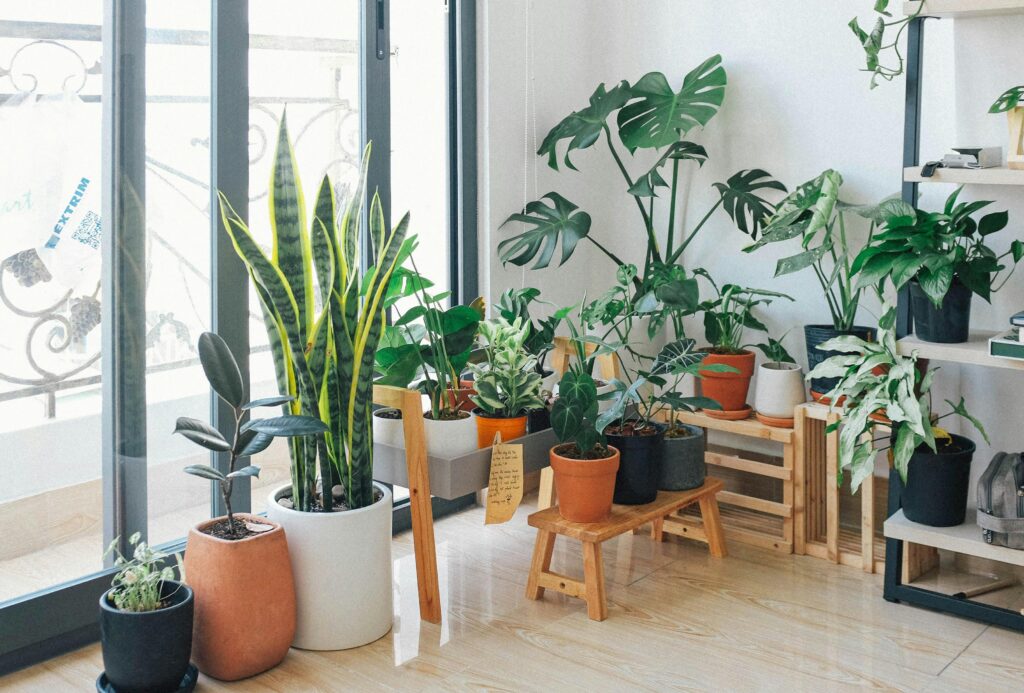
NASA even recognized plants as an effective and economical way to keep the air clean in space stations and other buildings and put together a special list. Before I introduce you to these plant heroes, let’s quickly check out some of the harmful gases commonly found in indoor environments:
Invisible Indoor Threats: 6 Toxic Gases to Know
- Radon: This gaseous element is found in building materials. If indoor spaces aren’t properly ventilated, it can cause lung damage.
- Benzene: Found in paints, detergents, pesticides, inks, and plastic products. This gas can lead to nausea and heart palpitations.
- Trichloroethylene: (I know, we’re dealing with some tongue-twisting terms here!) This one is found in paints, inks, adhesives, varnishes, and is used in dry cleaning. Exposure can cause stomach upset, loss of appetite, and insomnia.
- Xylene: Present in paints, fibers, polishes, and rubber. Xylene can cause skin irritation, rashes, and itching and burning in the eyes.
- Ammonia: Found in synthetic fibers, fabric dyes, and nylon. Ammonia can cause serious problems for the respiratory system and lungs.
- Formaldehyde: This gas is especially common in paper products like toilet paper and tissues, and in cigarette smoke. It can trigger asthma and various allergic reactions.
If you think about it, we’re exposed to most of these gases almost every day. But good news: Our plant pals are here to help!
The Main Lineup: 3 Easy-Care Air Purifying Plants
Let’s dive into the plants that come to our rescue:
1. Pothos (Epipremnum aureum)
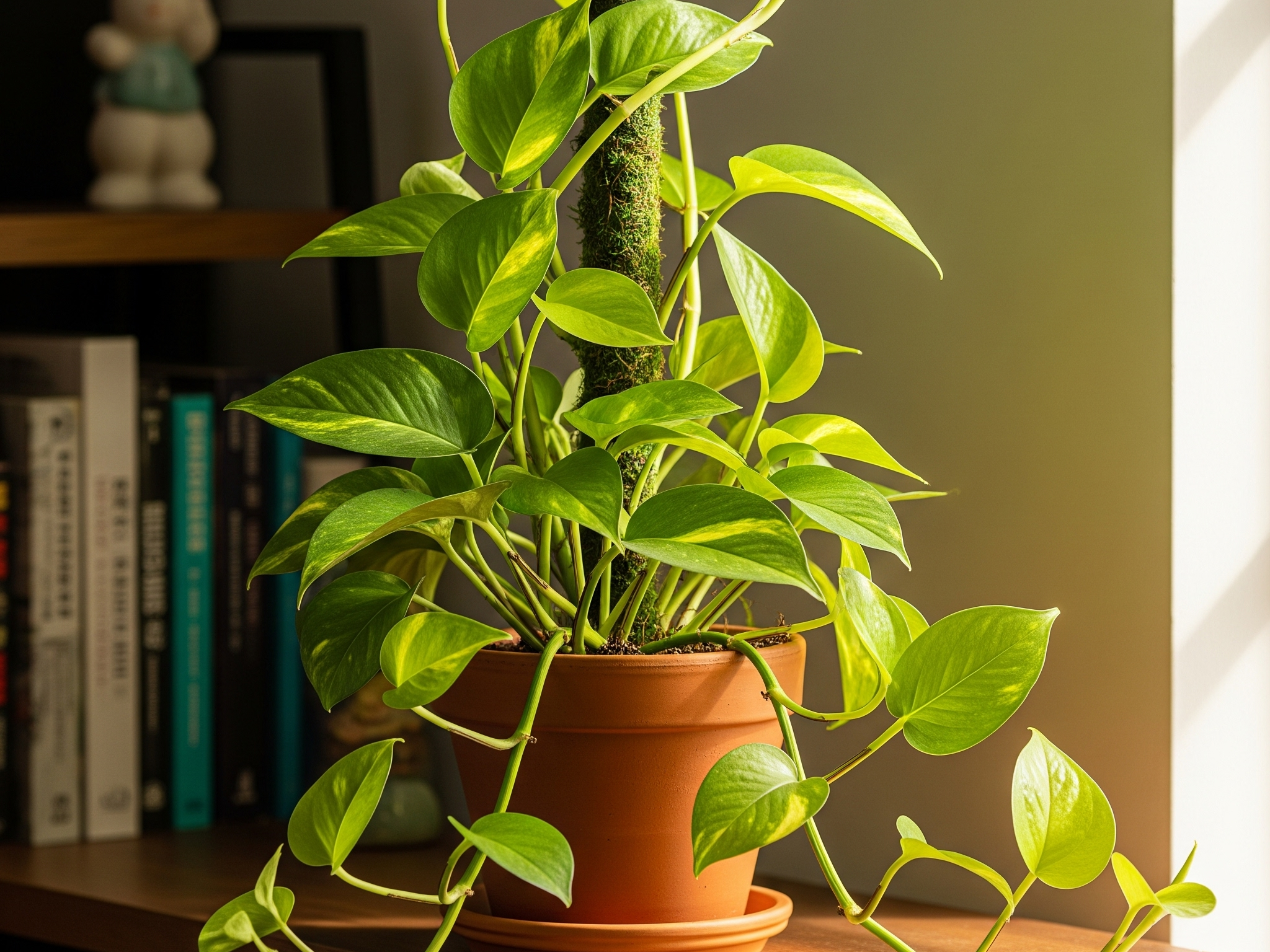
Known as “Golden Pothos” in some places, this plant is a champ at clearing out xylene, formaldehyde, and benzene. It’s incredibly resilient and can adapt to different light conditions, making it super easy to care for. Plus, I think it creates a really calming atmosphere in any home.
2. Madagascar Dragon Tree (Dracaena marginata)
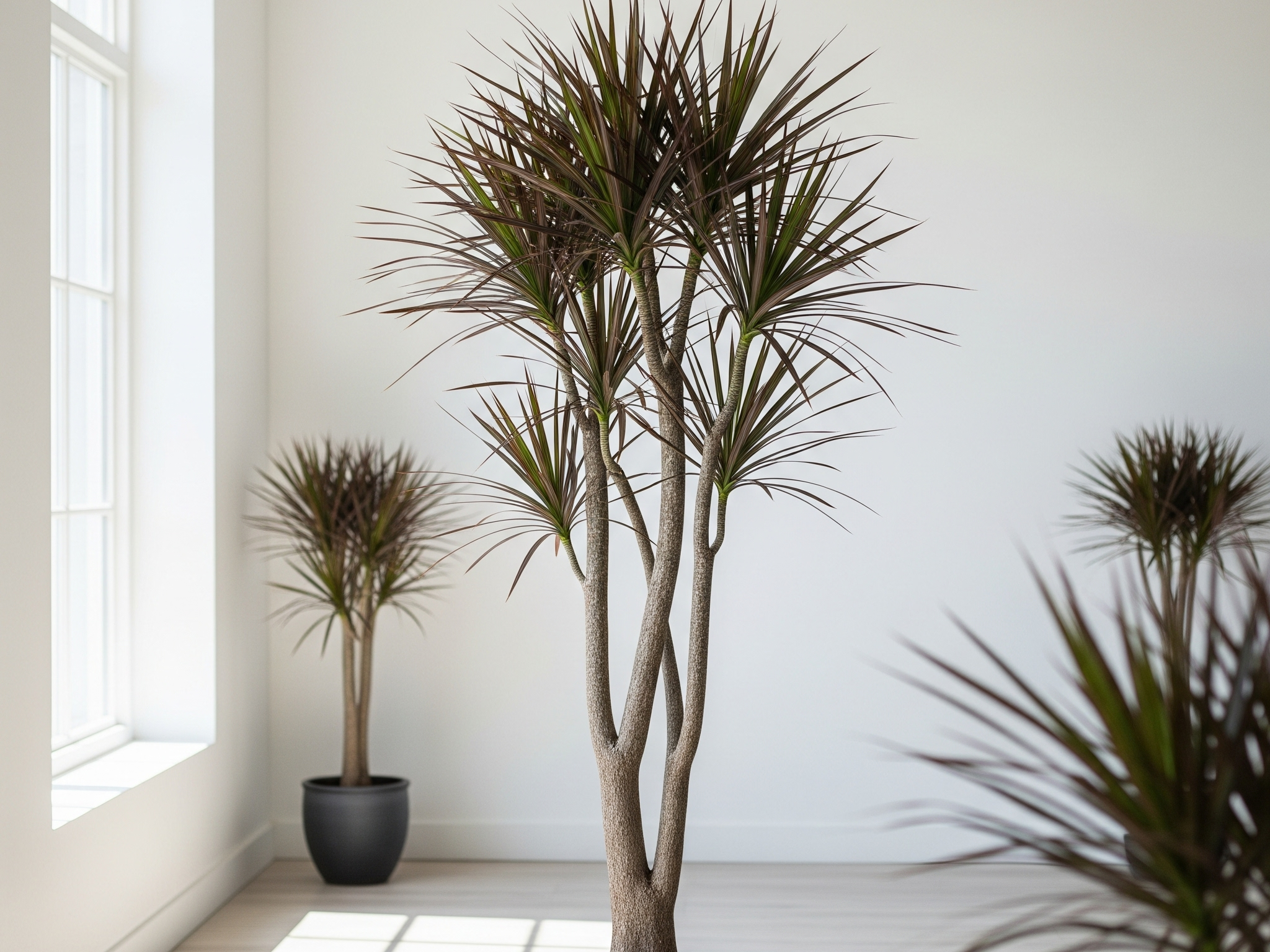
This plant tackles trichloroethylene, formaldehyde, benzene, and xylene. Its easy care makes it a popular choice for both offices and homes. However, even though it can adapt to various light levels, it’s best to keep it out of direct sunlight.
Quick Heads-Up for Pet Owners: This plant can be toxic to animals, so it’s a good idea to place it somewhere your furry friends can’t reach.
3. Snake Plant (Sansevieria trifasciata)
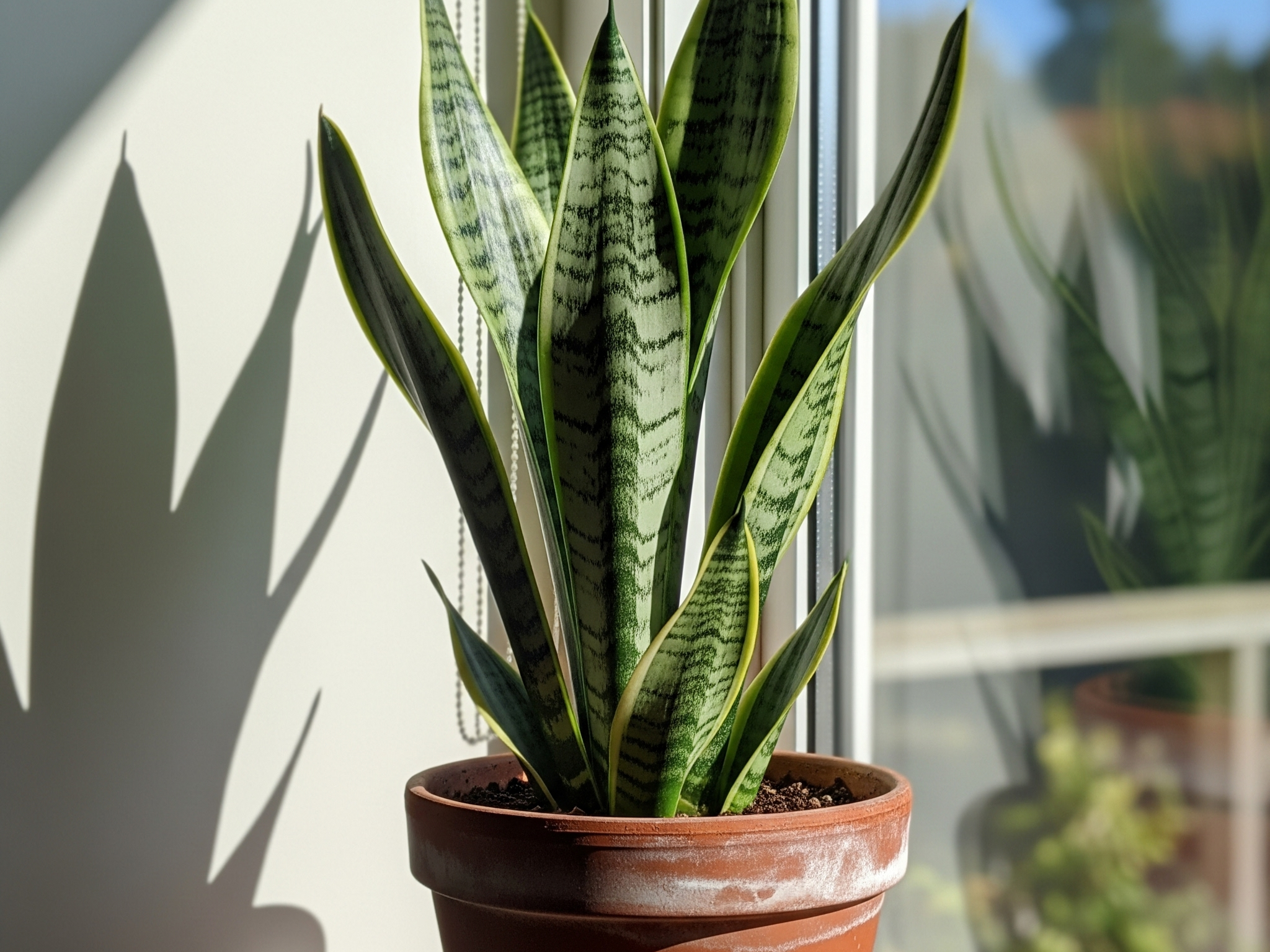
Often called “Mother-in-Law’s Tongue,” this plant purifies the air of trichloroethylene, formaldehyde, benzene, and xylene. It’s so easy to care for that some even call it a “plant that thrives on neglect”! If you have a super busy schedule and don’t think you can dedicate a lot of time to plant care, this one is definitely for you. It’s a great all-rounder in terms of the gases it cleans and its low maintenance.
Extra Filtering Power: 6 More High-Impact Plants
Besides these three, there are other plants that require a bit more attention but are incredibly effective due to their aesthetic appeal and the gases they filter. Here’s the direct list:
| Plant Name | Primary Gases Filtered |
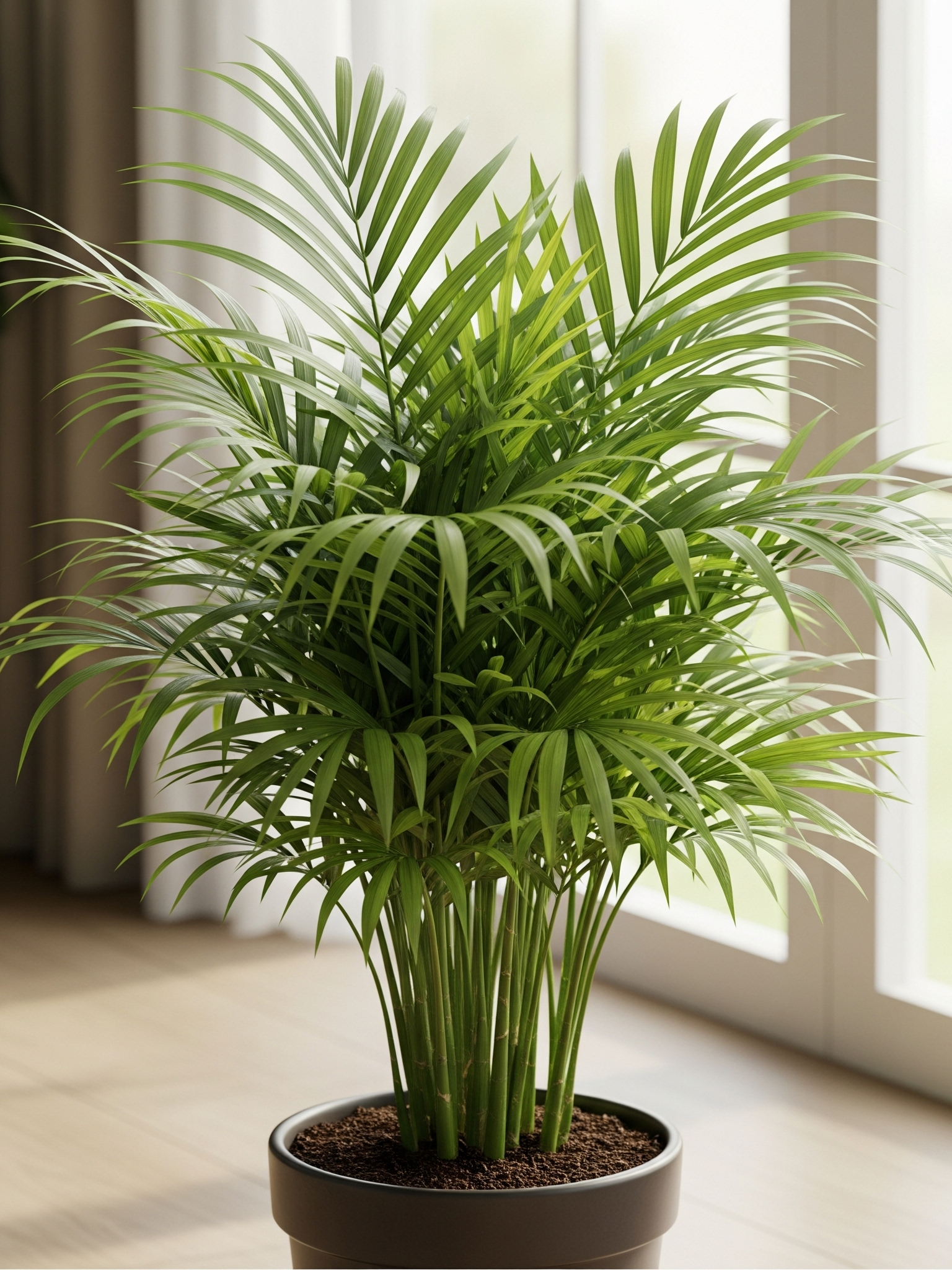
| Bamboo Palm | Xylene and Formaldehyde |
| Boston Fern | Xylene and Formaldehyde |
| Dracaena | Trichloroethylene, Formaldehyde, and Benzene |
| Weeping Fig | Xylene and Formaldehyde |
| Peace Lily | Trichloroethylene, Formaldehyde, Benzene, Xylene, and Ammonia |
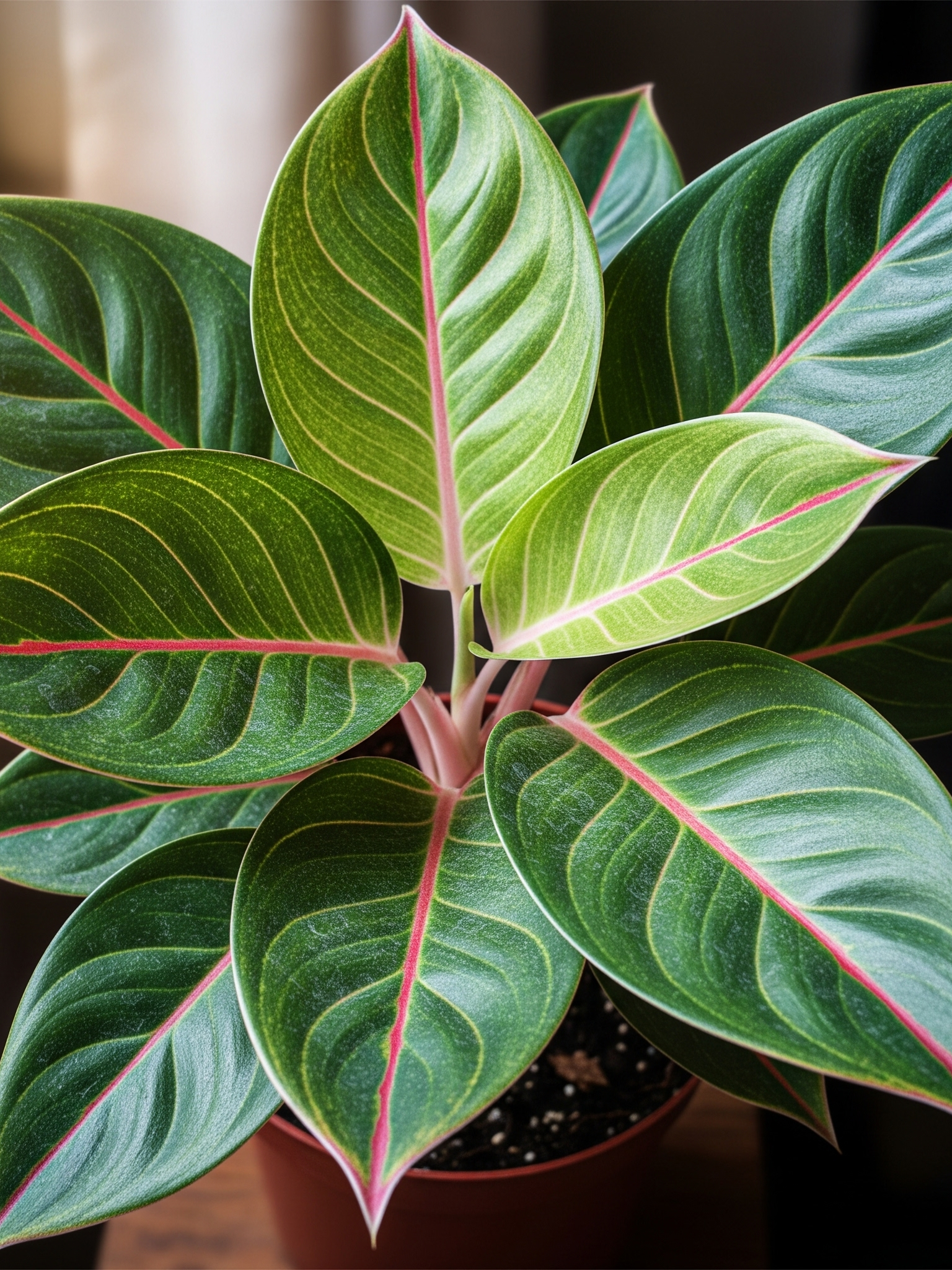
| Chinese Evergreen | Formaldehyde and Benzene |
| Gerbera Daisy | Trichloroethylene, Xylene, and Formaldehyde |
| Areca Palm | Xylene, Formaldehyde, and Ammonia |
Final Thoughts: Where Aesthetics Meet Health
Personally, two of my favorites for their looks are Pothos, because it instantly makes me feel refreshed, and the Chinese Evergreen, because I love how its pink accents blend with the green. Honestly, all of these plants are beautiful in their own way, both for their appearance and the benefits they offer.
They’re an excellent way to transform the drab atmosphere of an office or add a pop of color to your home. So, which plant became your favorite?
When I read about these plants in the magazine, as someone who absolutely loves nature and the look of plants, I immediately knew I had to share this with all of you. I hope you found this information useful.
Please take good care of yourselves. Thanks for reading! See you in my next post. Bye for now!